HQ Plantations: Managing Queensland’s plantations, one stakeholder relationship at a time
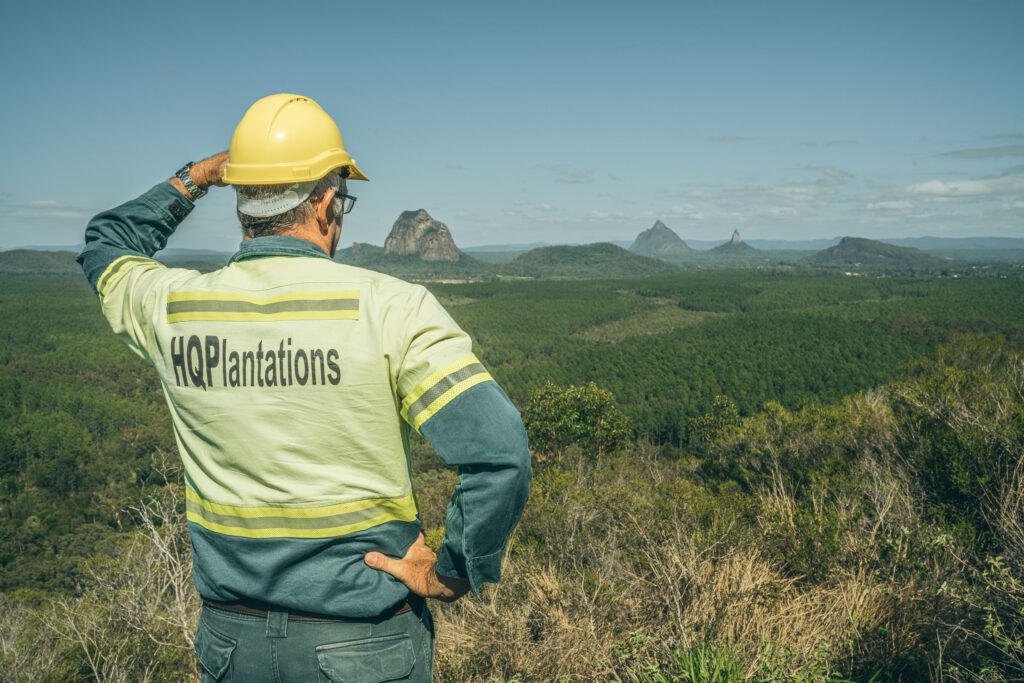
About HQPlantations
Across 310,000 hectares of Queensland, from the New South Wales border to Cairns, HQPlantations (HQP) quietly does something most Australians benefit from without realising it. They sustainably manage the plantation forests that supply the timber for around 25,000 new house frames every year as well as other important timber products including flooring, appearance grade plywood, beams, products for the housing and construction industry while other parts of the tree are processed into products such as woodchips for paper and packaging, particleboard, and engineered wood products..
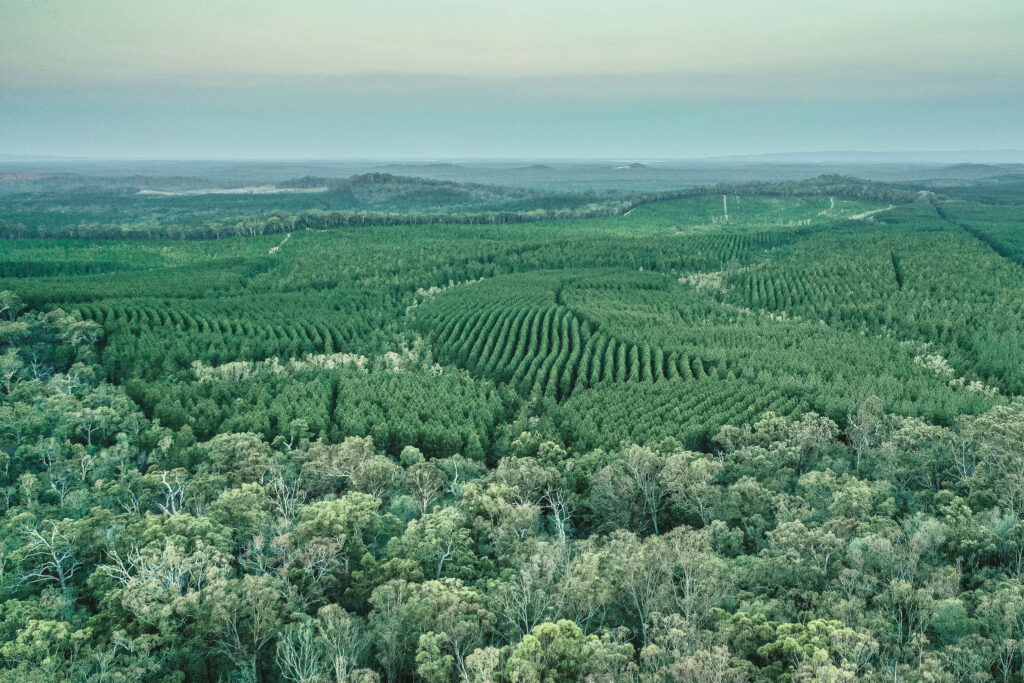
Around 190,000 hectares of that estate is commercial softwood plantation, mostly southern pine, with smaller areas dedicated to the beautiful endemic hoop pine (Araucaria cunninghamii). The remaining land is riparian, buffer, and native forest that HQP manages and protects. The business maintains certification under international recognised sustainable forest management standards, which provides independent verification that the land, the waterways, and the communities that sit alongside the plantations are looked after properly.
Alongside HQP’s core work of managing productive, healthy plantations forests for long term success, HQP manages a large interface with plantation neighbours, the surrounding communities, permittees and visitors. The majority of HQP’s estate is located on State Forest tenure under a Plantation Licence Agreement managed by the Queensland State Government. Under this Licence, the plantations and surrounding buffer areas remain conditionally accessible the public. This significantly widens the engagement scope and complexity.
The stakeholder map
Sharon Beattie is HQP’s Community Engagement Manager, and the list of people she and her team engage with is long. Over 10 local government authorities, multiple state government departments, twenty First Nations groups, environmental and land care groups, graziers and apiarists and thousands of neighbouring landholders. Plus, more than a million recreational users a year including four-wheel drivers, horse riders, motorbike riders, and mountain bikers.
“We aim to build positive relationships, mutual understanding, and respect with industry, government, and our neighbours.”
Sharon Beattie, Community Engagement Manager
The old way was holding them back
For years, HQP used a bespoke internal system that had served the business well but did have some limitations. Ongoing maintenance and updates to the system were limited as , it was not web-based and it was difficult to produce reports.
The real cost was not technical. It was that HQP could not track engagement and trends easily. Often, interactions went unrecorded because data entry as was fiddly. Trends went unnoticed due to reduced reporting functions.
“There was no quantification, and therefore no way to quantify and improve. It was just reactive.”
Sharon Beattie
Finding Simply Stakeholders
The introduction came the way good tools often do, through someone who had used it before and recommended it. HQP evaluated it alongside several other platforms and chose Simply Stakeholders.
Sharon advises that they chose Simply Stakeholders based on:
- a clean, simple and intuitive user interface
- strong IT security focus and governance
- great support from the Darzin team
- developing AI capability enabling more streamlined recording, categorising of interaction details
- capacity to manage and link complexity across stakeholder relationships (individuals within and across organisations)
- Spatial and web form capability
- An app version with offline capability.
Implementation took around six weeks to get reporting and task management up and running. As with any platform change, adoption was mixed at first. The people familiar with the previous system needed time to let go of it. The newer team members, Sharon included, found Simply Stakeholders noticeably easier to pick up.
What’s different now
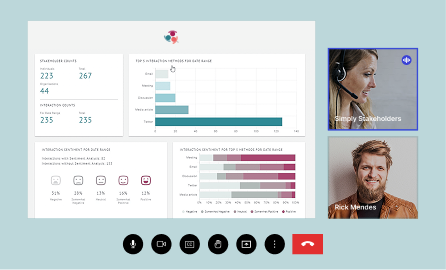
Reports in minutes, not days. An executive or board overview of engagement activity took time to collate. Now it takes minutes. For a small team managing stakeholders across a state-sized estate, that time comes back in ways that matter.
“If the Board or the CEO wants an overview of stakeholder engagement it is now available within minutes. Previously, this task was very time consuming due to our geographic range and multiple interactions.
Sharon Beattie
Smarter complaint management. HQP has always responded to complaints quickly. What has changed is what happens next. The team can now look across complaint data, see clusters by issue or location, look for trends and then to fix the underlying cause rather than just the symptom.
A team that is still growing into it. Sharon is honest that the journey is not finished. Because engagement is not a daily activity for most users, habit is building slowly, and HQP is still refining tags, reports, and workflows to fit the reality of a continuous operation rather than a discrete project. That work is ongoing, and Simply Stakeholders is in it with them.
The bigger picture
The change Simply Stakeholders has supported at HQP is not really about software. It is about visibility. A business that manages a public-facing estate, works with government, industry and community partners, supports local economies through timber supply, and hosts a million recreational visitors a year needs to be able to see, understand, and learn from its engagement.
For Sharon and her team, that work now has a home.