
Community Engagement: Stakeholder Roles & Impact
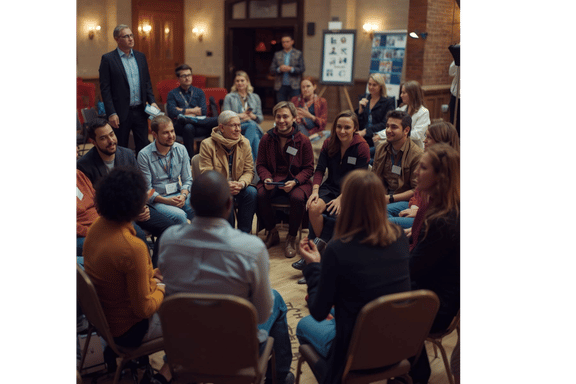
Community stakeholder
Community engagement is a cornerstone of vibrant societies. It fosters a sense of belonging and active participation among citizens. This engagement is crucial for building strong, resilient communities.
Community stakeholders play a vital role in this process. They bridge the gap between government, business and residents. Their involvement ensures that diverse voices are heard and considered.
Civic participation and social engagement help ensure more effective community initiatives. These efforts can drive significant social change and policy reform. They empower individuals to take collective action on issues that matter.
Roles like Community Engagement Specialists and Directors are essential. They facilitate dialogue and collaboration within communities. Their work is pivotal in creating sustainable and impactful community programs.
What Is Community Engagement and Who Are Community Stakeholders?
Community engagement is the active collaboration between individuals, groups and organisations. It’s aimed at addressing local needs and creating shared benefits. This dynamic process fosters connection and understanding within the community.
Key aspects of community engagement include:
- Civic Participation: Encouraging citizens to actively participate in decision-making processes.
- Social Engagement: Building relationships and networks that support community health.
- Public Engagement: Involving the public in issues that affect them directly.
Community stakeholders are the individuals and groups involved in this process. They can be local residents, business leaders, or members of nonprofit organizations. Their contributions are crucial for successful engagement.
Stakeholders bring diverse perspectives to the table. Their unique insights help craft more effective solutions to community challenges. This diversity enhances the richness and depth of the engagement process.
Involving diverse representation of stakeholders also strengthens accountability and transparency. This collaboration builds trust and ensures that the community’s needs are met effectively. Good community engagement usually has the added benefit of enhancing community resilience and cohesiveness.
The Importance of Civic Participation and Social Engagement
Civic participation is essential for vibrant and thriving communities and democracy. It empowers citizens to voice their opinions and influence public decisions. This involvement fosters a sense of belonging and shared responsibility among individuals.
Social engagement improves connections and cooperation within communities. It reduces isolation and enhances mental well-being. Through social interactions, diverse groups learn from each other, enriching the community’s cultural fabric.
Both civic and social engagement have significant impacts. They create opportunities to:
- Strengthen community bonds and networks.
- Enhance transparency and accountability in governance.
- Encourage collaboration and shared responsibility.
When citizens actively participate, communities can address challenges more effectively. This engagement leads to more responsive services and policies. Ultimately, community members feel valued and empowered, contributing to a more inclusive and democratic society.
Key Roles: Community Engagement Specialist, Director, and More
Community engagement requires skilled individuals who bridge gaps and foster dialogue. These key roles ensure that communities thrive through effective collaboration.
A Community Engagement Specialist excels in facilitating communication among diverse groups. They organize events, workshops, and forums to encourage participation. Their work fosters understanding and cooperation among community members.
Another crucial role is the Director of Community Engagement. They oversee strategic planning and implementation of initiatives. This involves ensuring stakeholders are appropriately identified and mapped, suitable engagement strategies are in place, and coordinating with stakeholders to ensure projects align with community needs and goals.
Various positions support community engagement efforts:
- Grassroots organizers mobilize local action.
- Outreach coordinators enhance visibility and awareness.
- Policy advisors work on aligning community initiatives with regulations.
These roles contribute significantly to strengthening community bonds. They ensure voices are heard, facilitating meaningful change. By working together, these professionals drive collective success and development, enhancing quality of life for all involved.
Examples of Successful Community Initiatives and Outreach
Good examples of successful community engagement can be seen across multiple sectors, initiated by local community groups themselves, not for profit organisations, businesses and government. Projects typically involve:
- Health and wellness programs improving local health outcomes.
- Environmental campaigns promoting sustainability.
- Cultural events encouraging community diversity and understanding.
Industry associations often award and recognise good engagement practice, for example recent the Engagement Institute’s Core Value Award winners.
Strategies for Effective Community Involvement and Grassroots Activism
Effective community involvement relies on inclusive strategies that invite broad participation. It begins with identifying community needs through a structured stakeholder analysis and dialogue with a range of stakeholders. Understanding these needs is key to devising relevant strategies.
Grassroots activism thrives on collective action and local empowerment. Successful activism often involves educating community members about pertinent issues, thus fostering informed engagement. This empowers residents to voice their concerns and drive change.
Key strategies for fostering involvement include:
- Providing clear information on why people should participate – the importance of the project, or how their contributions will be used, which decisions they can influence.
- Selecting the methods of engagement that make it accessible for a diverse range of stakeholders to participate.
- Collaborating with local organizations to expand reach and impact.
- Utilizing social media platforms to connect and mobilize involvement.
- Encouraging volunteerism to boost local engagement.
Community efforts should always prioritize transparency and accountability. This builds trust and encourages ongoing participation. Regular feedback and adaptable approaches ensure strategies remain effective amid evolving community dynamics. Ultimately, successful community involvement enhances democratic governance and empowers citizens as active stakeholders in their local environment.
Measuring Impact and Celebrating Achievements
Measuring the impact of community engagement initiatives is essential for understanding their effectiveness. It helps stakeholders see tangible results and refine their strategies. Regular evaluation guides future planning and engagement efforts by highlighting what works best.
Celebrating achievements motivates continued participation and strengthens community bonds. Acknowledging both big and small successes fosters a sense of pride and ownership among participants. Recognition boosts morale and encourages sustained involvement in community activities.
Key steps for measuring impact and celebrating achievements include:
- Setting clear objectives and key performance indicators.
- Gathering feedback from community members and stakeholders.
- Documenting progress through reports and visual media.
- Hosting events to recognize and reward contributions.
These practices enhance community cohesion and inspire ongoing commitment to shared goals.
Conclusion: Building Stronger Communities Together
Community engagement plays a vital role in creating cohesive and resilient societies. By involving diverse stakeholders, communities can address local challenges more effectively. Genuine collaboration fosters trust and mutual understanding among all stakeholders.
Active civic participation enhances decision-making and promotes transparency. When citizens are engaged, they feel a sense of ownership over the outcomes. This sense of belonging encourages ongoing involvement and dedication to community initiatives.
In embracing collaboration, communities unlock new ideas and innovative solutions. As residents work together, the bonds formed lead to a more vibrant and inclusive environment. Community engagement can help build a foundation for lasting success and shared prosperity. Together, we can nurture stronger, healthier, and more connected neighborhoods.